A car’s mileage is often the first number people look at in a listing, and that’s only natural. But on its own, it doesn’t tell you whether the car is a good buy. A well-maintained car with 150,000 km can be a better choice than a neglected one with 80,000 km. Here’s how to put that number into context.
A car’s mileage is often the first number people look at in a listing, and that’s only natural. But on its own, it doesn’t tell you whether the car is a good buy. A well-maintained car with 150,000 km can be a better choice than a neglected one with 80,000 km. Here’s how to put that number into context.
At a glance: there’s no universal “too high” mileage
No single threshold automatically makes a car good or bad. To judge a vehicle, look at these five factors together:
the mileage;
the vehicle’s age;
the maintenance history;
the type of driving (highway or city);
the actual mechanical condition, confirmed by an inspection.
Start by comparing mileage with the vehicle’s age
In Canada, a common benchmark is about 16,000 to 24,000 km per year. It isn’t a measure of the vehicle’s condition or quality but a point of comparison.
Vehicle Age
“Typical” Range
Quick Take
3 years
48,000 to 72,000 km
Below the range: lightly driven. Above: likely lots of highway driving.
5 years
80,000 to 120,000 km
Check the maintenance scheduled around 100,000 km.
8 years
128,000 to 192,000 km
The history becomes decisive.
10 years
160,000 to 240,000 km
A pre-purchase inspection is essential.
100,000, 150,000 or 200,000 km: what changes?
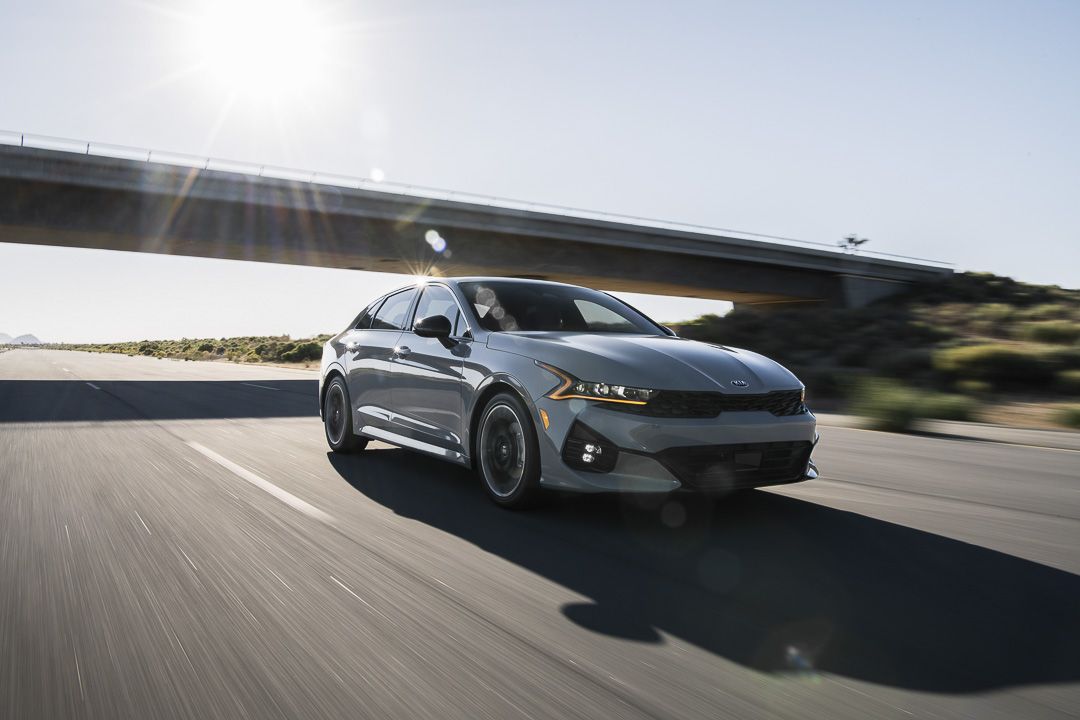
2022 Kia K5
At 100,000 km: check for major scheduled maintenance
Around 100,000 km, many manufacturers call for major maintenance. Depending on the model, this can include fluids, spark plugs and sometimes the timing belt, depending on the engine. Ask whether this work has been done. If not, factor the cost into your offer.
At 150,000 km: the history matters even more
At this stage, maintenance records tell you more than the odometer reading alone. A complete file with regular oil changes is far more reassuring than a low odometer reading with no maintenance records at all.
At 200,000 km and beyond: an inspection and a repair budget are essential
A car with 200,000 km can still have plenty of life left. But set aside a budget for wear items like suspension, brakes and exhaust. Have it inspected by a mechanic before you sign.
High mileage can be fine if the vehicle has been well maintained
Consider two examples. Car A: 7 years old, 160,000 km, complete maintenance records and a solid underbody. Car B: 7 years old, 70,000 km, no records and visible rust on the rocker panels. On paper, Car B looks like the better buy. In reality, Car A often carries less risk, because you know how it’s been treated.
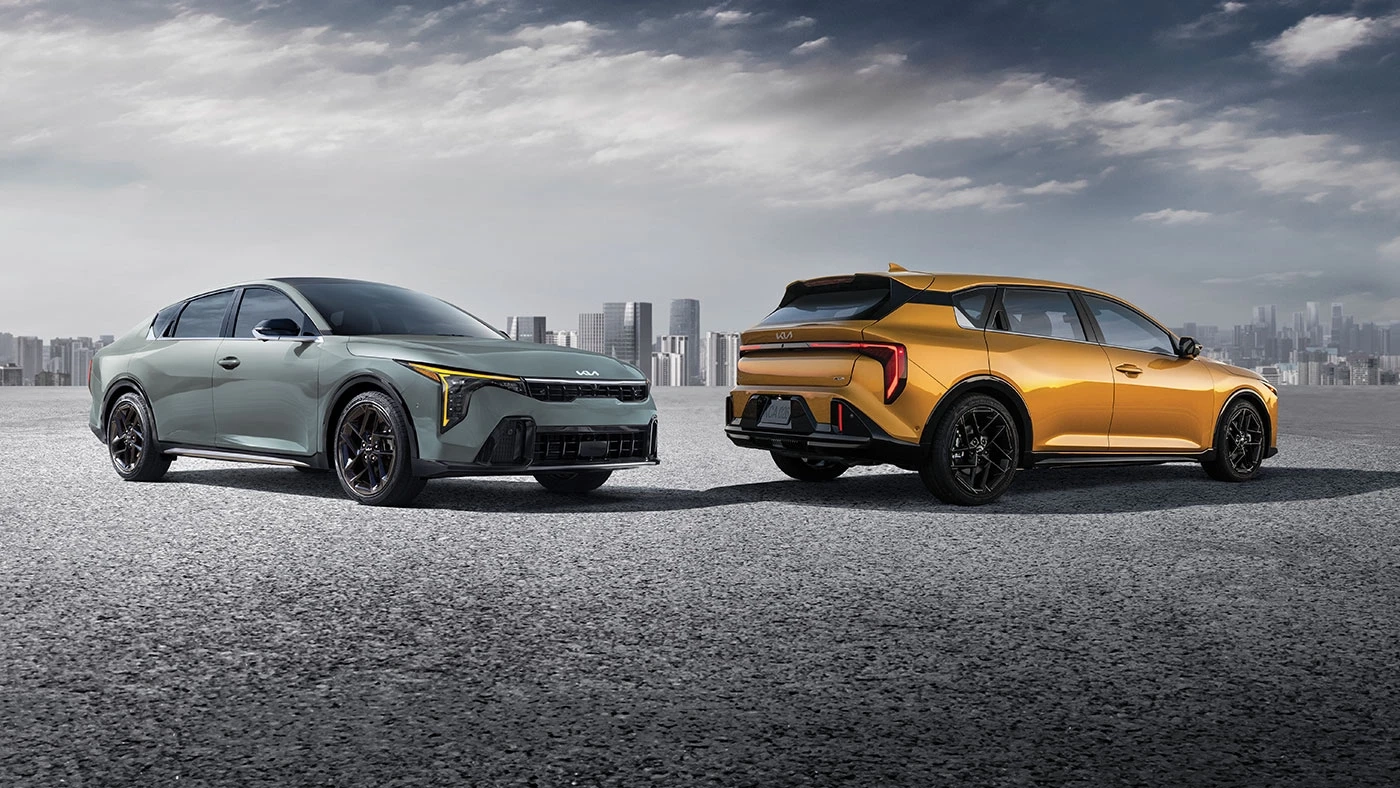
2026 Kia K4 Sedan | Hatchback
Highway vs city: why the type of driving matters
Highway driving generally causes less wear per kilometre than city driving. On the highway, the engine runs at a steady speed, with little braking. In the city, cold starts, frequent stops and short trips put more strain on the brakes, battery and engine. A high-mileage vehicle driven mostly on the highway may therefore be in better shape than you’d think.
7 things to check before you buy
Maintenance records: invoices, dates, mileage and major work completed.
Vehicle history: a CARFAX report for accidents, claims and recalls.
Rust: inspect the underbody, rocker panels, wheel wells and brake lines. This is crucial in Quebec because of road salt.
Tires and brakes: even wear, pad thickness and rotor condition. Included winter tires have value too.
Fluids: level and colour of the oil, coolant and brake fluid.
Test drive: cold start, noises, vibrations, braking and how it behaves on the highway.
Pre-purchase inspection: have the vehicle checked by an independent mechanic if it isn’t certified.
Not always. A car that has sat for long periods with little driving can have dried-out seals, a tired battery or aged tires, even with little wear. That’s why a 10-year-old vehicle with 60,000 km deserves the same inspection as a higher-mileage one. Check the tires’ manufacturing date, stamped on the sidewall.
Why consider a Kia Certified Pre-Owned vehicle?
A certified pre-owned vehicle takes some of the uncertainty out of the equation. It undergoes a multi-point inspection by trained technicians, and it keeps the remaining factory warranty when still valid. To get a clear picture of a specific model, check out our used Kia Forte spec sheets, for example. Looking for your first Kia? Certified pre-owned is often a great way to buy with peace of mind. You can also browse our used vehicle inventory to compare age, mileage and history.
Not necessarily. For a 5- or 6-year-old car, it’s within the typical range in Canada. Above all, make sure the maintenance scheduled around 100,000 km has been done.
Can a car with 200,000 km still be reliable?
Yes, if it has been well maintained and the inspection doesn’t reveal any major problems. Just set aside a budget for wear items.
What is normal annual mileage in Canada?
A common benchmark is about 16,000 to 24,000 km per year. It’s only a point of comparison, not a guarantee of reliability.
What matters more: age or mileage?
Both, read together with the maintenance history. Age can deteriorate rubber components and tires and contribute to corrosion. Higher mileage, meanwhile, contributes to mechanical wear. The maintenance history often makes the difference.
Kia SUVs cover almost every need, from the compact Seltos for city driving to the large three-row electric EV9. The hard part is deciding which one fits you best. At Kia Chambly, we make it easier to narrow down your options and find the SUV that best fits your needs. Compare the Seltos, Sportage, Sorento, Telluride, EV5 and EV9 by budget, seating, cargo space, towing capacity and powertrain....
Comparing the Kia Sportage vs Toyota RAV4 for 2026? Be careful with older comparisons: the 2026 RAV4 is an all-new generation and, in Canada, it’s now offered only as a hybrid or plug-in hybrid. The Sportage, on the other hand, is still available with gas, hybrid and plug-in hybrid powertrains. Here’s how to compare them on a level playing field. Table of contents At a glance: 2026 Sportage vs...
The Sportage vs CR-V matchup comes up all the time at the dealership, and for good reason: they’re two popular compact SUVs, both offered with gas and hybrid powertrains. Rather than crowning a winner, here are the 2026 Canadian numbers side by side, so you can decide which one better fits your needs. Compare pricing, interior space, cargo capacity, powertrains, all-wheel drive, towing and...